Safety is the first requirement in Oncology Yoga— but efficacy is what makes the practice impactful and essential.
Cancer patients and survivors are often directed toward “gentle” or restorative yoga out of concern for safety. While well-intentioned, this approach can unintentionally limit outcomes. Low-intensity or non-progressive movement may support comfort, but it does not consistently address the physiological and functional impairments associated with cancer and its treatment.
In healthcare, this would be recognized as under-treatment—an intervention that is safe, but insufficient to create meaningful change.
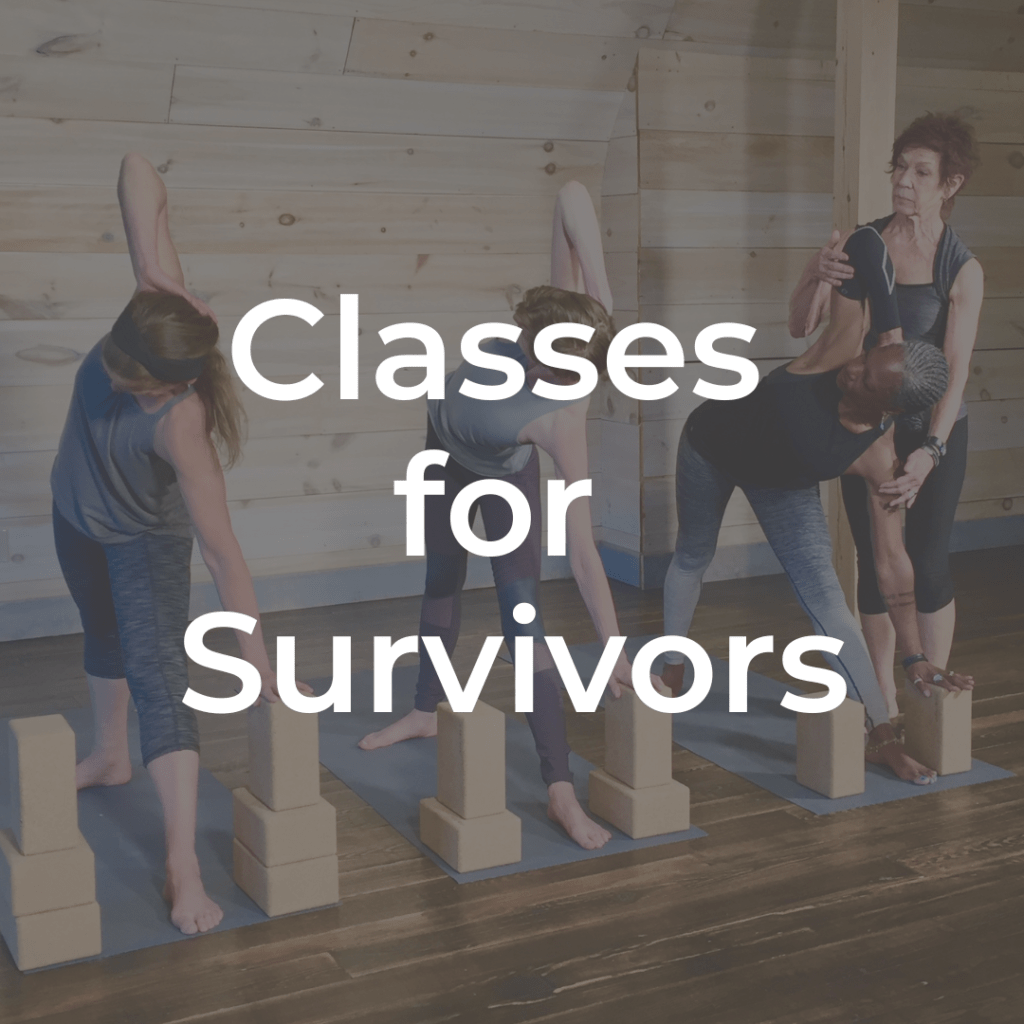
Oncology Yoga is designed to address this gap. It is an active, evidence-based practice that safely addresses specific side effects—rebuilding strength and bone health, supporting lymphatic flow, improving balance, reducing fatigue, and helping survivors work toward the 150 minutes of weekly movement recommended by ACSM and the American Cancer Society. Restorative yoga elements are still a part of the approach with huge benefits, but Oncology Yoga goes beyond that.
This is why oncology-specific training is essential.
Not to make yoga rigid or clinical, but to give teachers the tools to design interventions that work:
• movement that improves real survivorship symptoms
• sequencing that supports lymphatic and immune health
• functional strength-building that protects bones
• adaptations that serve survivors new to yoga
• breath and pacing strategies that restore agency and confidence
Research Shows Yoga Is Effective for Cancer Survivors
Yoga is proven to improve many of the most common and disruptive cancer-related side effects:
- Fatigue: Yoga reduces cancer-related fatigue more than standard care or waitlist controls (Cochrane Review; ASCO guidelines).
- Anxiety & Depression: Multiple RCTs show significant reductions in anxiety, stress, and depressive symptoms with yoga.
- Sleep: Yoga improves sleep quality, latency, and overall restfulness in survivors compared to usual care.
- Pain: Studies show reductions in musculoskeletal pain and improved pain coping skills.
- Quality of Life: Meta-analyses confirm increases in global QoL, emotional well-being, and physical functioning.
- Immune & Inflammatory Markers: Yoga is associated with reduced inflammation and improved immune parameters in survivors.
- Lymphatic Support & Mobility: Breath-led movement improves circulation and range of motion after surgery or radiation.
- Balance & Neuropathy: Yoga improves balance, gait stability, and reduces fall risk in survivors with neuropathy.
Read about the research.
Effective Oncology Yoga goes beyond instructing cancer survivors to do safe yoga. But its about helping cancer patients and survivors to actively participate in their recovery. Becoming agents for themselves. This has been proven to provide protocol adherence and long term health benefits.
Efficacy Is the Purpose of Oncology Yoga
Effective Oncology Yoga is not about instructing cancer survivors to move safely—it is about helping them recover function, reduce symptoms, and re-engage with life.
This includes supporting:
- participation in treatment
- long-term adherence to movement
- confidence and autonomy in the body
In this sense, Oncology Yoga is not simply supportive care.
It is part of a broader model of active survivorship.
Learn to Teach What Works
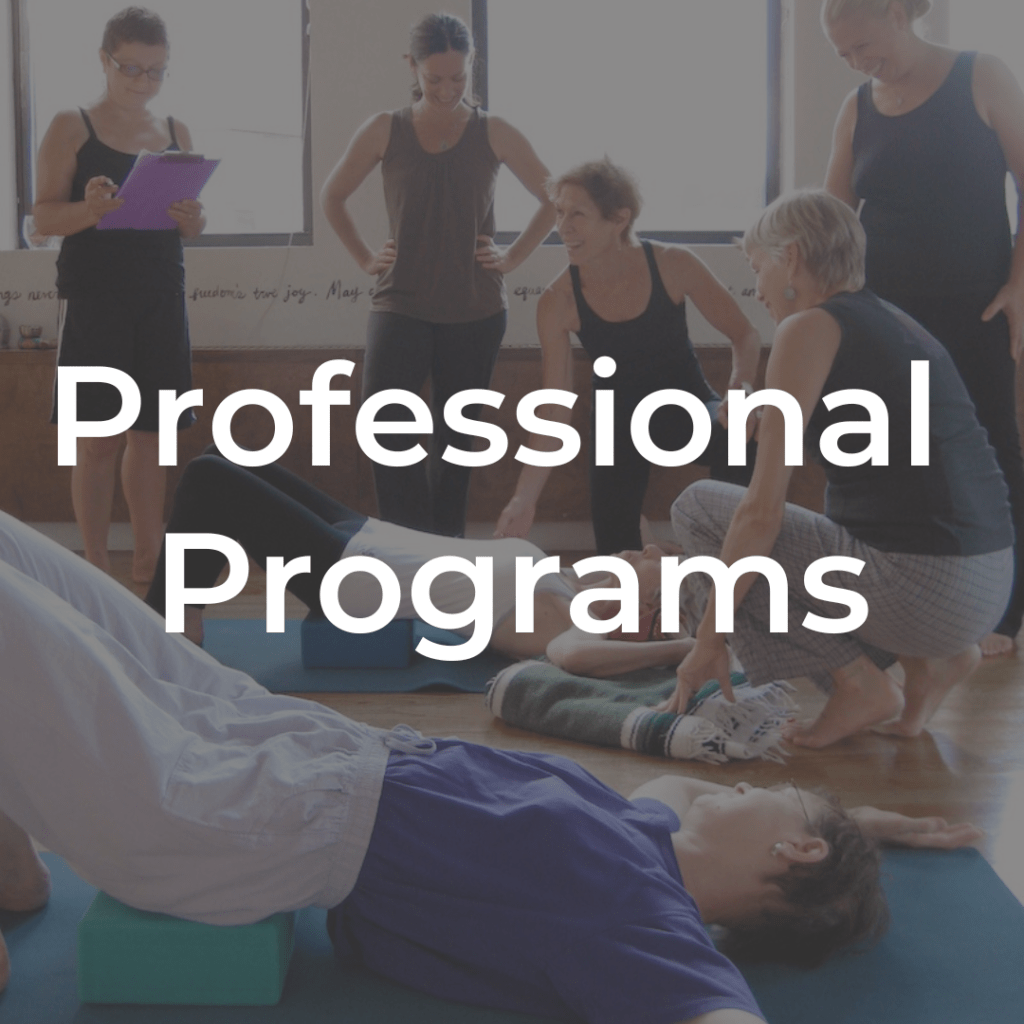
Our courses, resources, and 75-hour Certification Program teach yoga professionals how to create effective Oncology Yoga:
movement that supports healing, reduces symptoms, builds strength, and aligns with evidence-based survivorship guidelines.
If you feel called to support this community, the most impactful step you can take is learning how to teach Oncology Yoga with both safety and efficacy at its core.