New research from the American Cancer Society (ACS) confirms what many in the cancer community have been feeling: people are living longer after a cancer diagnosis than ever before.
According to the ACS, nearly 70% of people diagnosed with cancer today will survive five years or more—a dramatic improvement driven by earlier detection, more effective treatments, and advances in supportive care.
- You can read the full ACS report here.
This is extraordinary progress—and absolutely worth celebrating.
But survivorship is not the end of the story. For millions of people, it is the beginning of a new and often under-supported phase of care.
Survivorship Comes With Long-Term Challenges
Living longer after cancer does not necessarily mean returning to life “as it was before.”
Many survivors continue to manage long-term or late effects of cancer and its treatments, including:
• Fatigue and reduced stamina
• Bone loss and fracture risk
• Balance challenges and neuropathy
• Lymphedema and restricted range of motion
• Chronic pain or stiffness
• Anxiety, fear of recurrence, and nervous system dysregulation
The ACS emphasizes that survivorship requires ongoing management, not just monitoring for recurrence. Quality of life, functional independence, and long-term health outcomes all depend on what happens after treatment ends.
Why Movement Is Essential for Long-Term Survival
One message is increasingly clear across oncology research: Movement is not optional in survivorship—it is foundational.
Leading cancer organizations, including the ACS, consistently recommend that survivors work toward evidence-based physical activity guidelines because regular movement is associated with:
• Reduced risk of cancer recurrence for several cancer types
• Improved bone density and reduced fall risk
• Better immune and lymphatic function
• Decreased fatigue and pain
• Improved mood, sleep, and overall quality of life
In other words, long-term survival depends not only on medical treatment—but on the ability to move safely and consistently over time.
The Gap: “Exercise Is Recommended”—But Not Always Accessible
Here’s the challenge many survivors face:
They are told to move more—but not how to move safely in bodies changed by cancer.
Traditional fitness programs and even general yoga classes often fail to account for:
• Surgical history and scar tissue
• Bone metastases or osteoporosis risk
• Lymphedema precautions
• Neuropathy, dizziness, or compromised balance
• Ongoing treatment or medication side effects
As a result, many survivors avoid movement altogether—or push themselves in ways that increase risk rather than resilience.
Where Oncology Yoga Fits In
This is where Oncology Yoga plays a critical role.
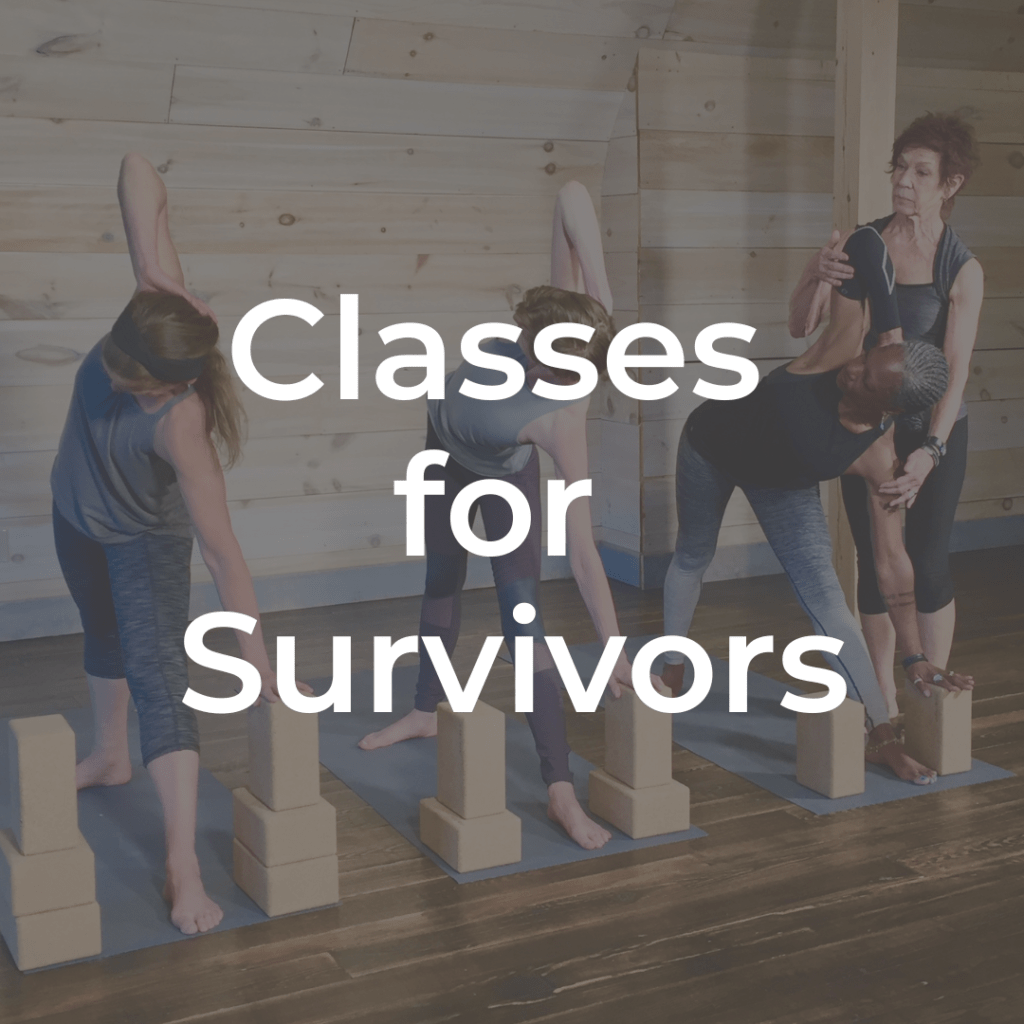
Oncology Yoga is not a style of yoga—it is a specialized, evidence-informed approach designed specifically for people affected by cancer. It adapts movement, breath, sequencing, language, and pacing to meet survivors where they are—physically and emotionally.
Oncology Yoga supports survivors in:
• Safely rebuilding strength, balance, and confidence
• Managing side effects like fatigue, pain, neuropathy, and lymphedema
• Meeting movement recommendations in a sustainable, accessible way
• Supporting nervous system regulation and emotional wellbeing
For many survivors, Oncology Yoga becomes the bridge between medical treatment and long-term survivorship care.
A Growing Need—for Survivors and Professionals
As survival rates rise, the need for trained, informed movement professionals rises with them.
Survivors deserve access to movement practices that are:
• Safe
• Adaptive
• Evidence-informed
• Compassionate
• Sustainable for the long term
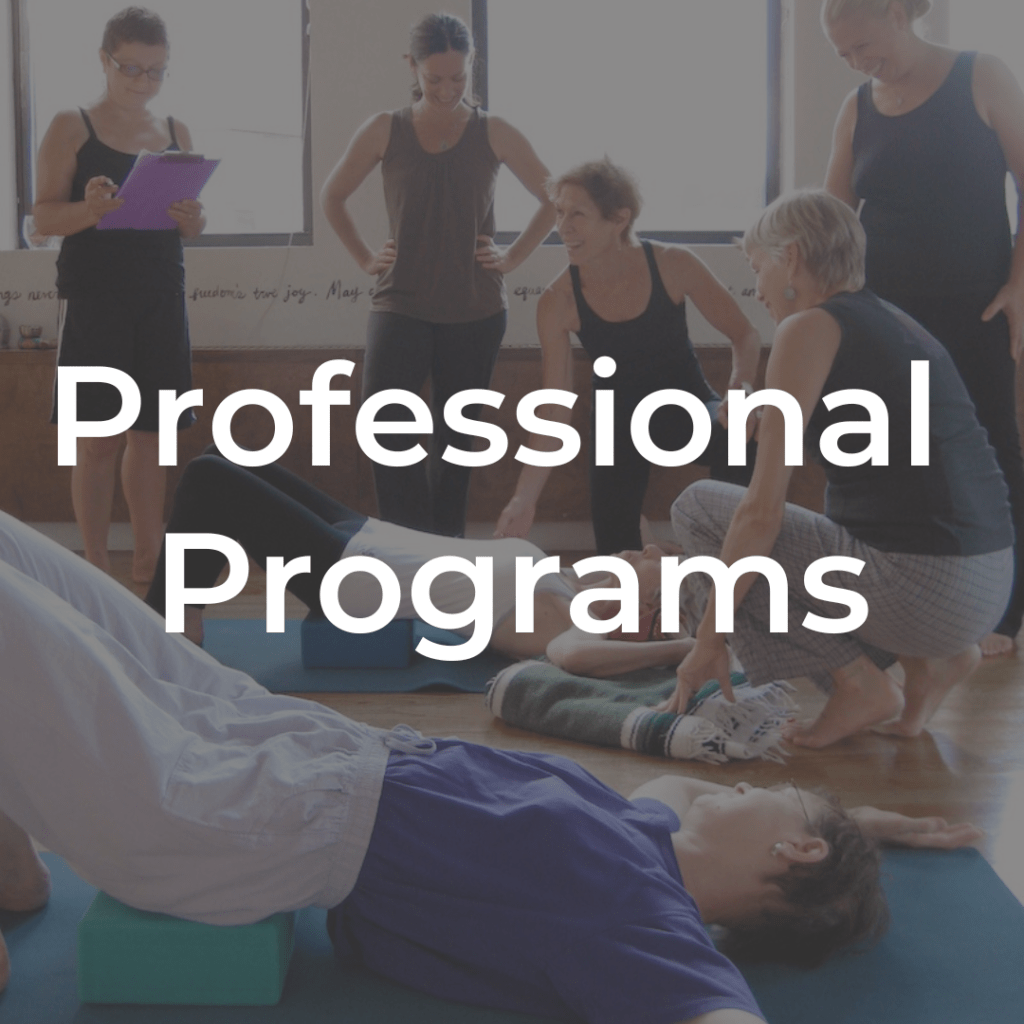
And professionals—yoga teachers, therapists, and healthcare providers—need education that prepares them to support this growing population responsibly.
Looking Forward
The new ACS survival data gives us every reason to feel hopeful. But it also calls us to action.
Survivorship is not just about living longer. It is about living better, moving safely, and supporting long-term health.
Oncology Yoga is one of the ways we can meet this moment—helping survivors not only survive, but rebuild strength, confidence, and quality of life in the years that follow.
Explore ways to learn more and experience Oncology Yoga